
THE PROBLEM
Georgia Tech’s Eco-Commons project envisions 80 acres of green spaces across campus. The organized programming of the Eco-Commons will consist of three living landscape areas – an area to Learn, and area to Engage and an area to Reflect. The Biology department contracted our team to develop a solution to aid in the Learning aspect of this initiative, since individuals lacked an easy way to get acquainted to natural wildlife on campus.

THE SOLUTION
A simple-to-use application that educates users on campus wildlife and encourage exploration with pictures, locations, basic information, and fun facts.
MY ROLE
As the Head of UI/UX in our team, I led the user research efforts, determined the user needs, and designed the UI for our solution. I was the sole individual responsible for the branding and graphic design for the app. In addition to the responsibilities of my position, I also did some of the front-end programming.
TOOLS
Qualtrics (User Research), Axure RP (Wireframes, Prototype), Adobe Illustrator (Visual Design), Android Studio (App Development)
TEAM
Devon Long (Project Manager), Davis Williams (Client Manager), Rachel Lecesne (Head Back-End Developer), Brian Zhu (Head Front-End Developer)
ABOUT THE APP
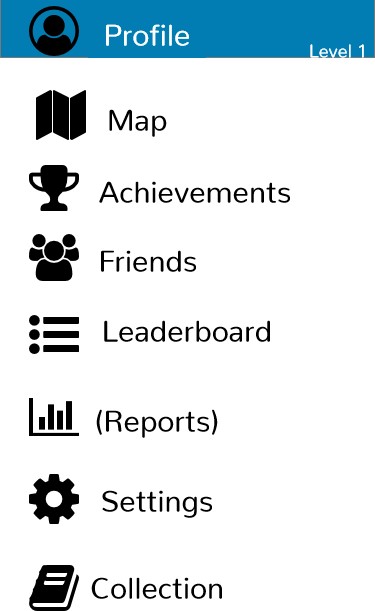
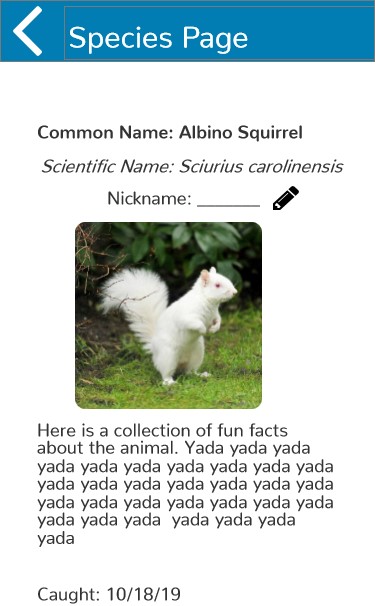
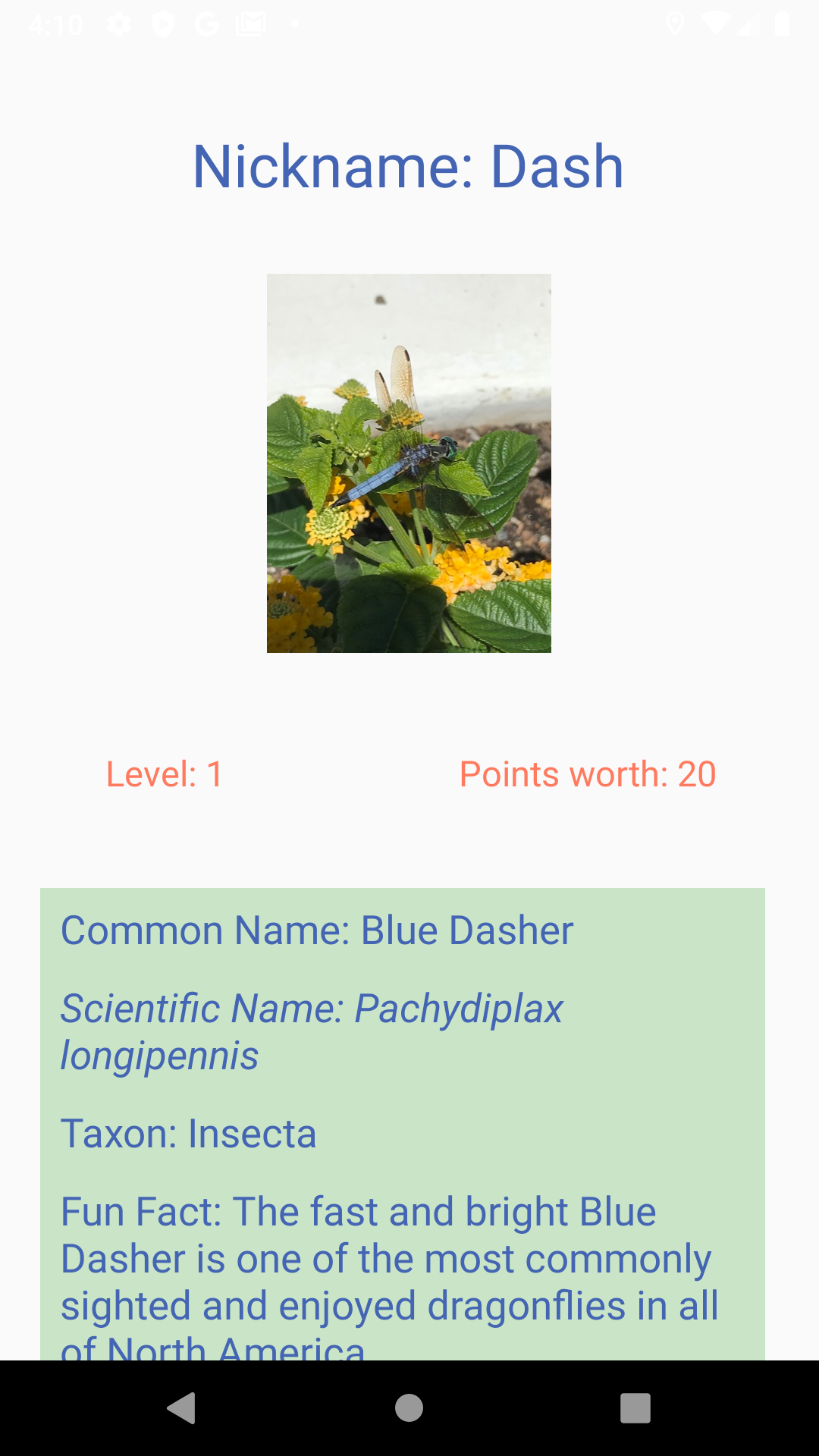
Users are able to walk around Georgia Tech’s campus and observe over 170 different wildlife entries, view detailed biographic information about the wildlife they have observed, obtain achievements from their progress, and view how their performance stacks up against other users.
DISCOVERY
To develop a better understanding of what would make our app effective, we conducted user research by a survey sent to potential users. The following details what key issues were addressed by the survey, the rationale behind our research methodology, the knowledge we gained about our user base, and what design implications for the game resulted from the research.
THREE KEY QUESTIONS
- What aspects of mobile games encourage users to continue engaging with them?
- If the user isn’t an avid game player, what would attract them to our game?
- What aspects of campus wildlife interest users the most?
WHY A SURVEY?
Using a survey allowed us to get answers to our broad-sweeping main questions in a time-efficient manner. Our questions dealt with device preferences, campus wildlife interest, and opinions on mobile games, and a survey was the best method to gather research on all of these at once. We allowed open-ended answers when asking which features users did and did not enjoy about other mobile games (i.e. Pokemon Go, Geocaching) to get richer information from our participants. We also gave them set options with the ability to rank or choose which game and app features were most important to them, so we could determine what our focus would be on for our application.
KEY FINDINGS
After one week, 60 potential users responded to our survey. Respondents consisted of Georgia Tech students, faculty, and visitors, but the majority of respondents were undergraduate students. From their answers, we answered our three key questions:
What aspects of mobile games encourage users to continue engaging with them?
- 63% of our participants indicated that the gameplay itself was the most important aspect to them in terms of engagement.
- The second and third were “lots of features” and “completion goals/achievements”.
- Responses regarding usage and enjoyment of Pokemon Go led us to believe there are two different types of players: those who like more options in terms of gameplay, and those who play in order to complete goals.
If the user isn’t an avid game player, what would attract them to our game?
- Out of the 28% of participants who said they don’t play mobile games, the majority indicated the main reason they’ll download and continually use an app is because of an interesting or useful feature.
- These users also strongly indicated an interest in nature/outdoors and campus wildlife.
What aspects of campus wildlife interest users the most?
- The top aspects of campus wildlife knowledge our user reported interest in were name of the plant or animal, and miscellaneous fun facts.
DESIGN
Using the findings from our research, we designed our game around goals that would broaden the appeal of our application to as many users as possible and encourage consistent engagement.
DESIGN GOALS
Progressive: Level-based gameplay
Competitive: Ability to compare scores
Rewarding: Points + Achievements
PROTOTYPE



USABILITY TESTING
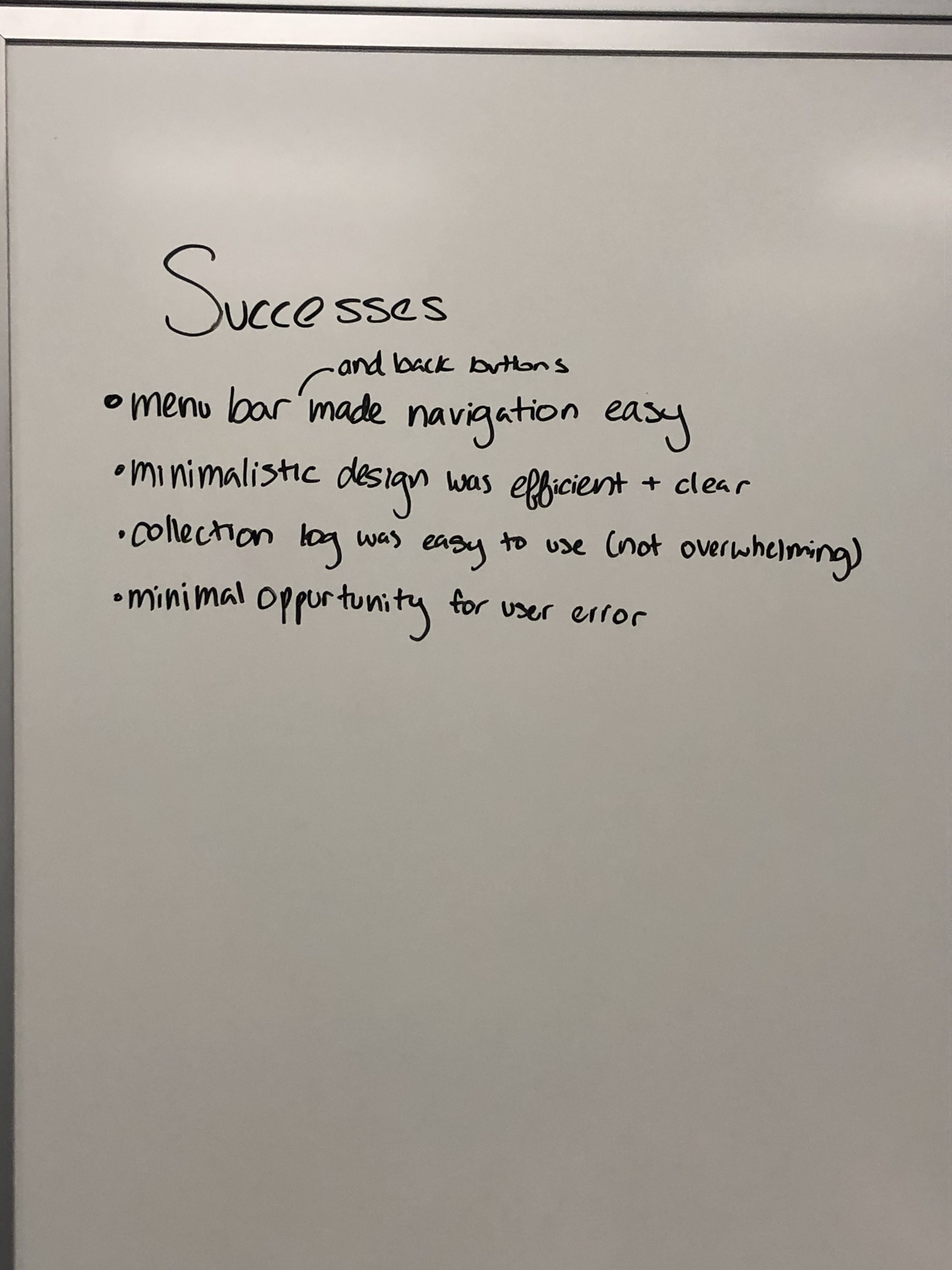
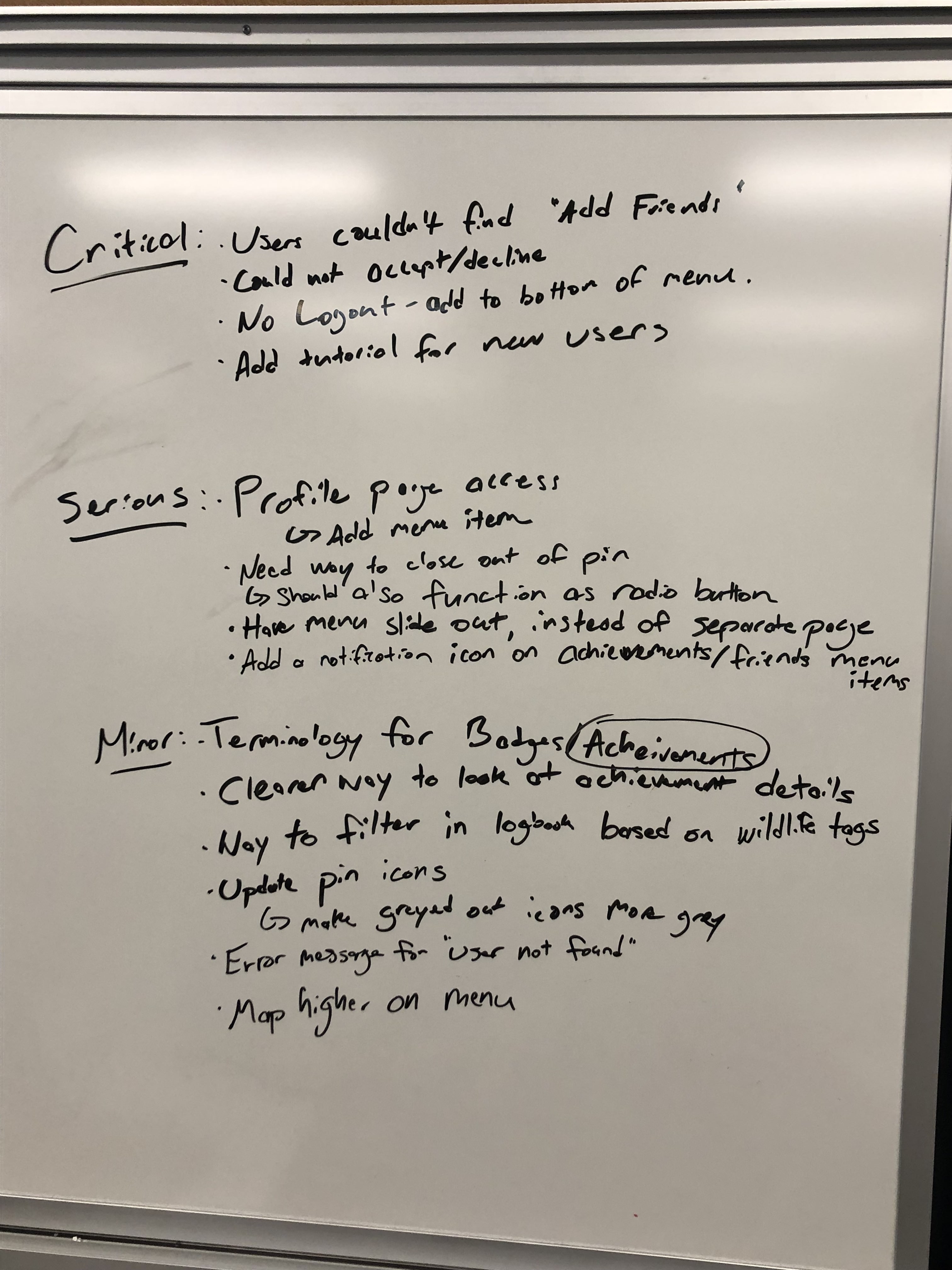
We gathered a group of evaluators and had them conduct a heuristic evaluation of our prototype as well as complete certain tasks. We observed their navigation of our prototype to determine weaknesses of the design.
USER TASKS
- Navigate to the profile page and read aloud your current nickname.
- Navigate to the achievements page and find out your progress on the Tree Hugger badge.
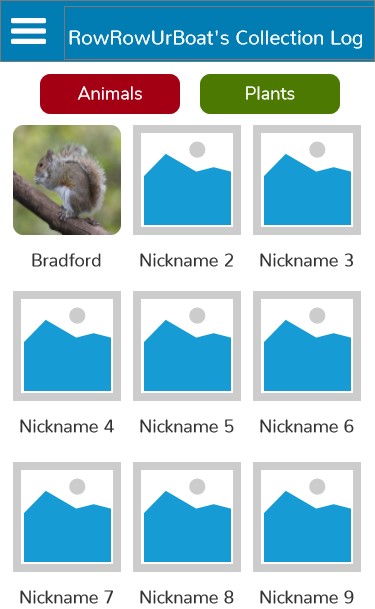
- Go to the collection log and find out the scientific name for Bradford, a squirrel you have already caught.
- Go to the friends page and view your requests, add Mary Kate to your friends.
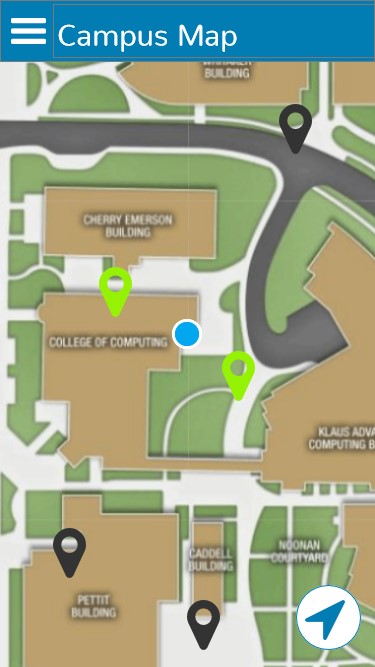
- Go to the map and catch the Albino Squirrel.
FINDINGS
BRANDING
I created a logo and branding guide for the project as we moved into development of the application. The client wanted the app to look clean, eco-friendly, and fun, which inspired the design choices.


DEVELOPMENT
With a plan in place for features and aesthetic, we began development on Android Studio. We collected wildlife sightings from iNaturalist, fun facts from around the web, and implemented Firebase for our backend before commencing with our iteration plan.
ITERATION PLAN
Sprint 1
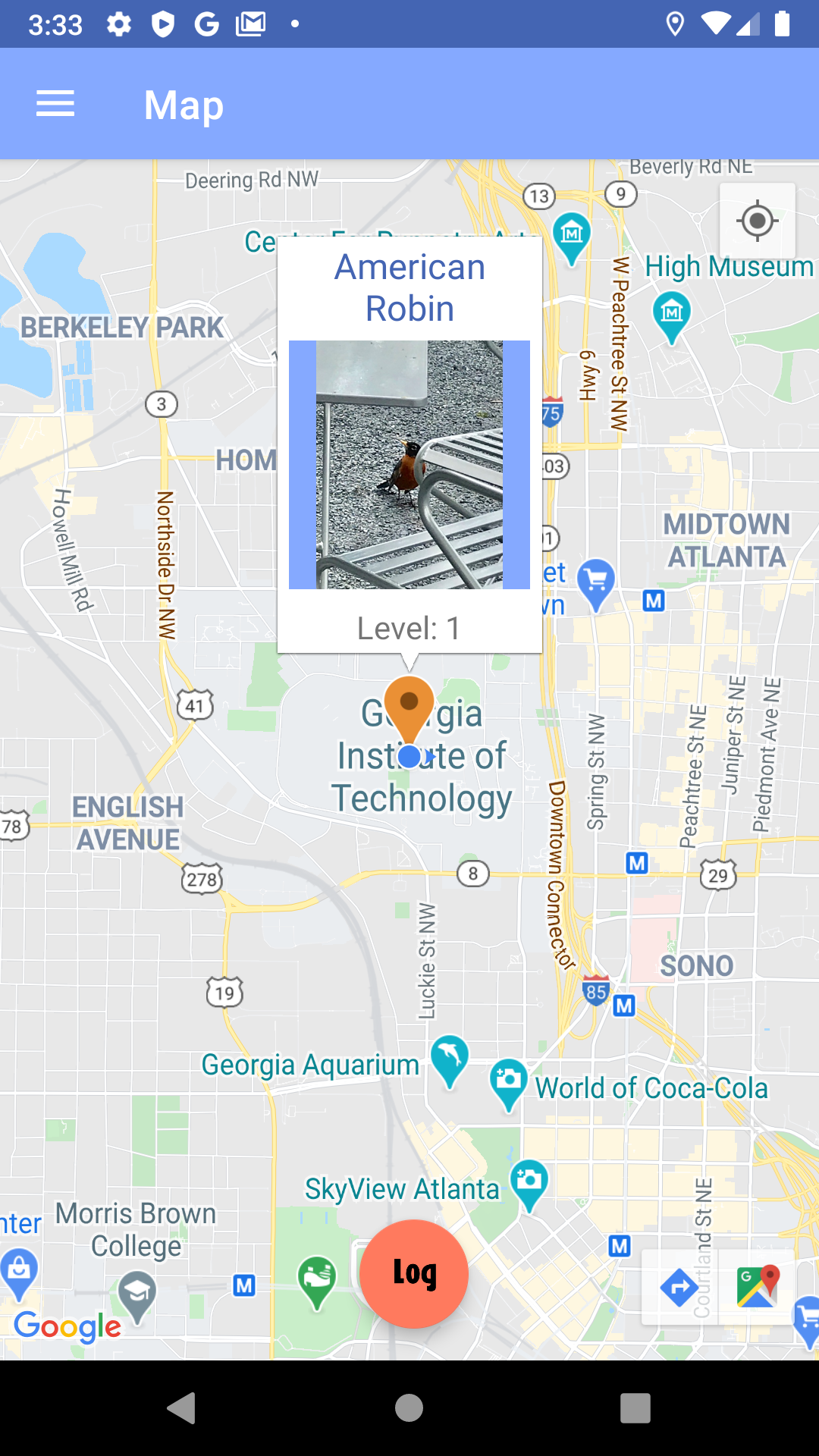
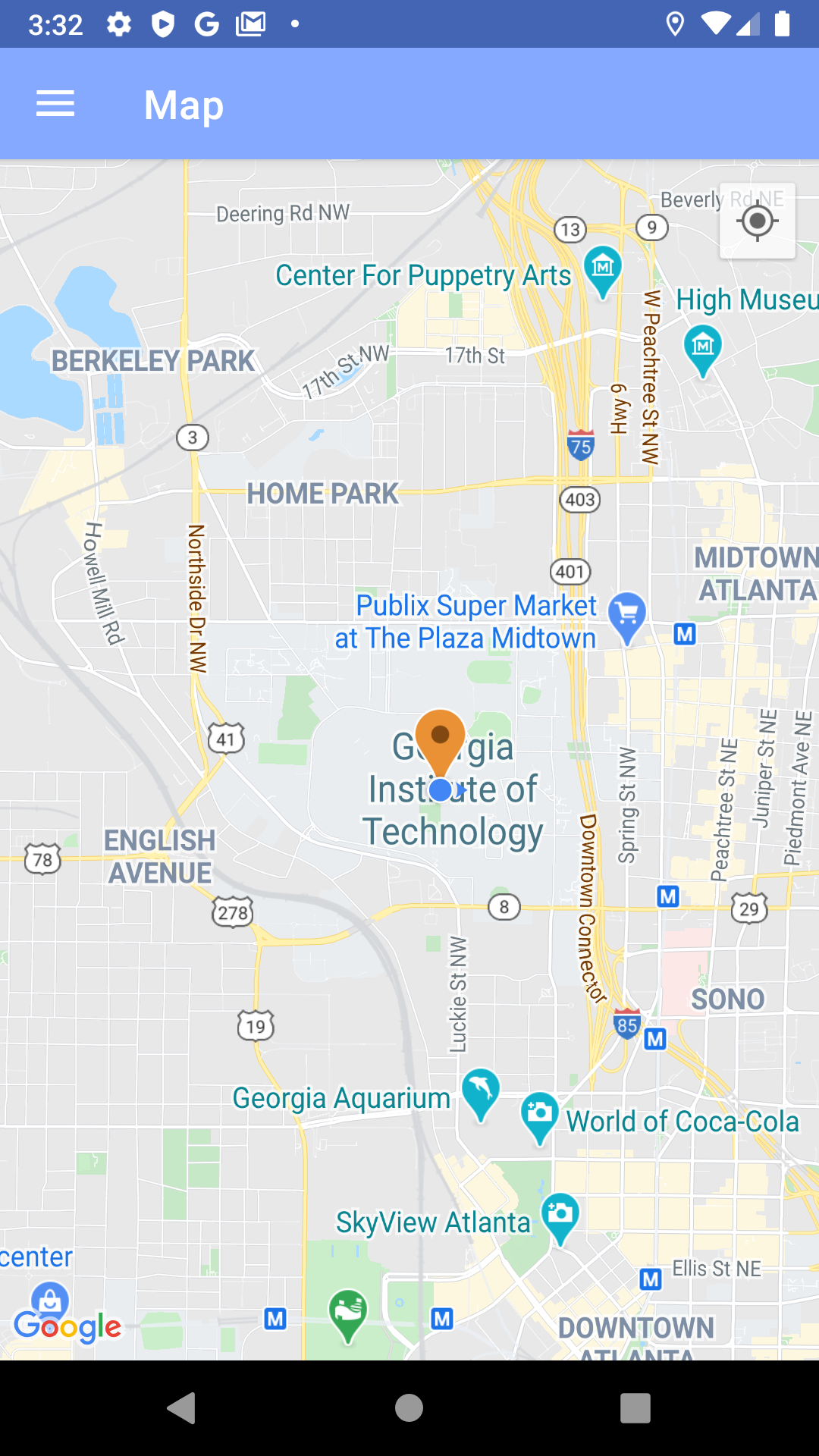
- Be able to interact with Wildlife pins, click on the Wildlife and see information about the Wildlife
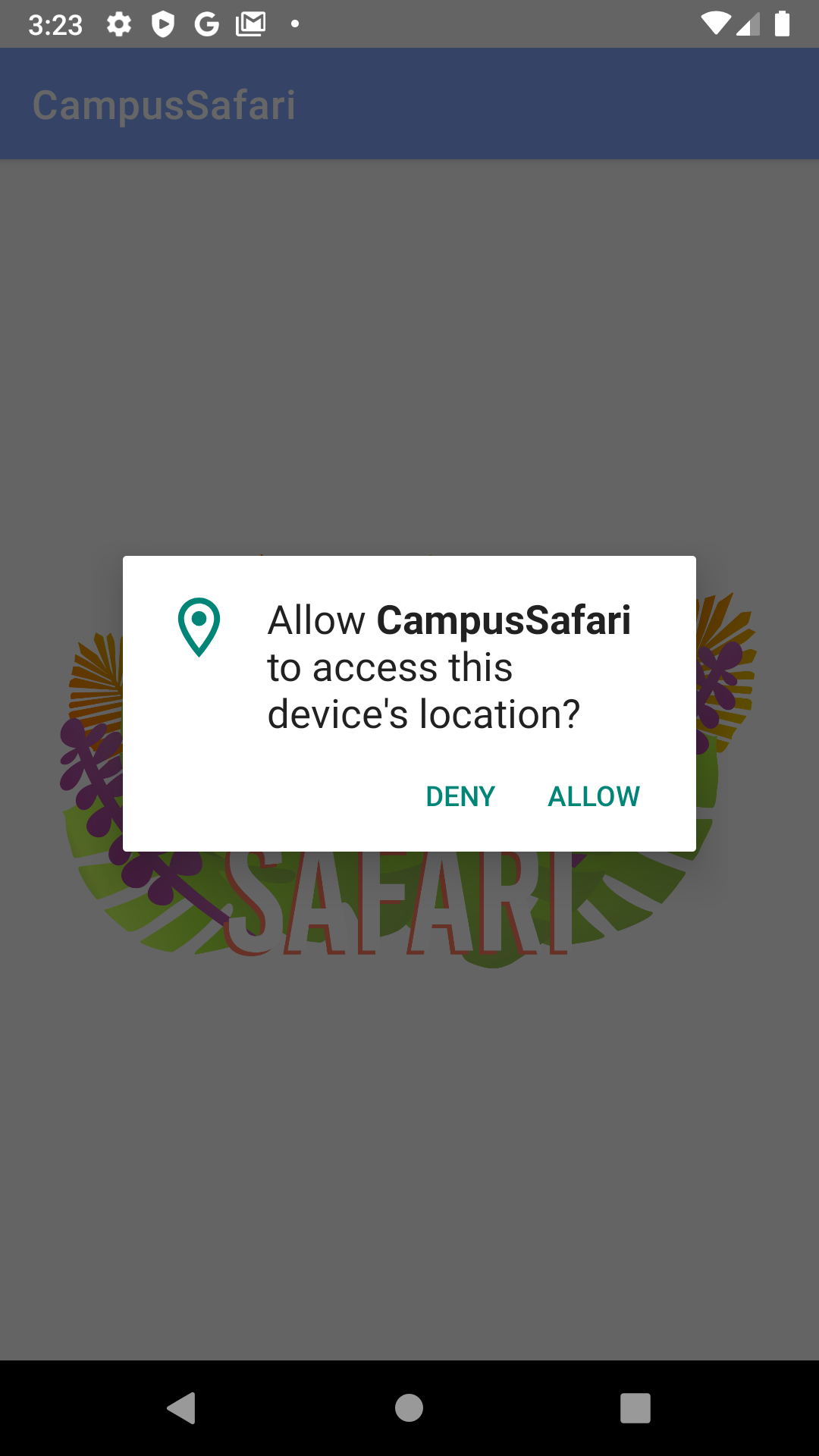
- Access the user’s current location and view the current location on the map
- Implement the side menu and the side menu pages
Sprint 2
- Be able to create User accounts and Admin accounts.
- Login with a previous account
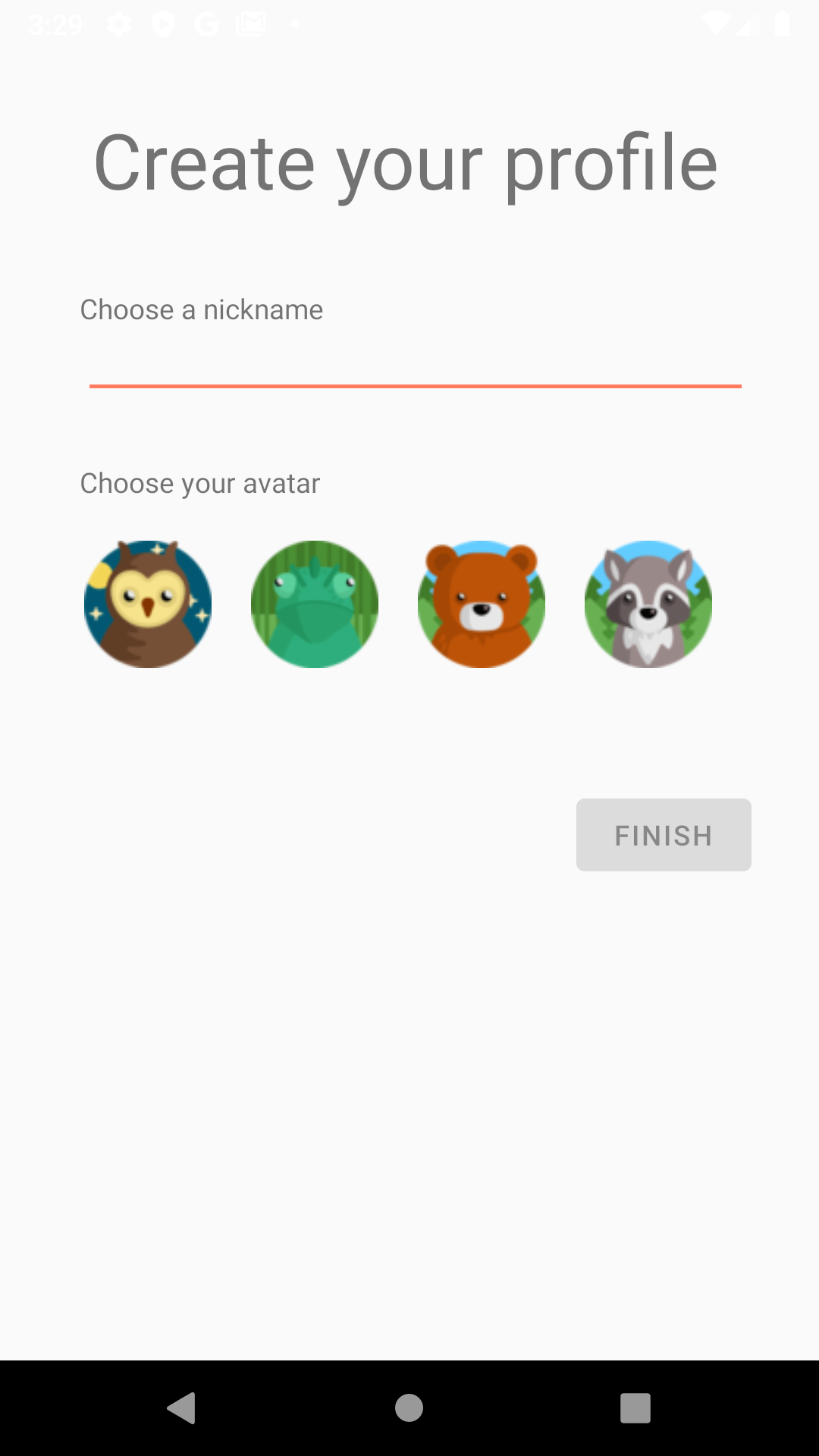
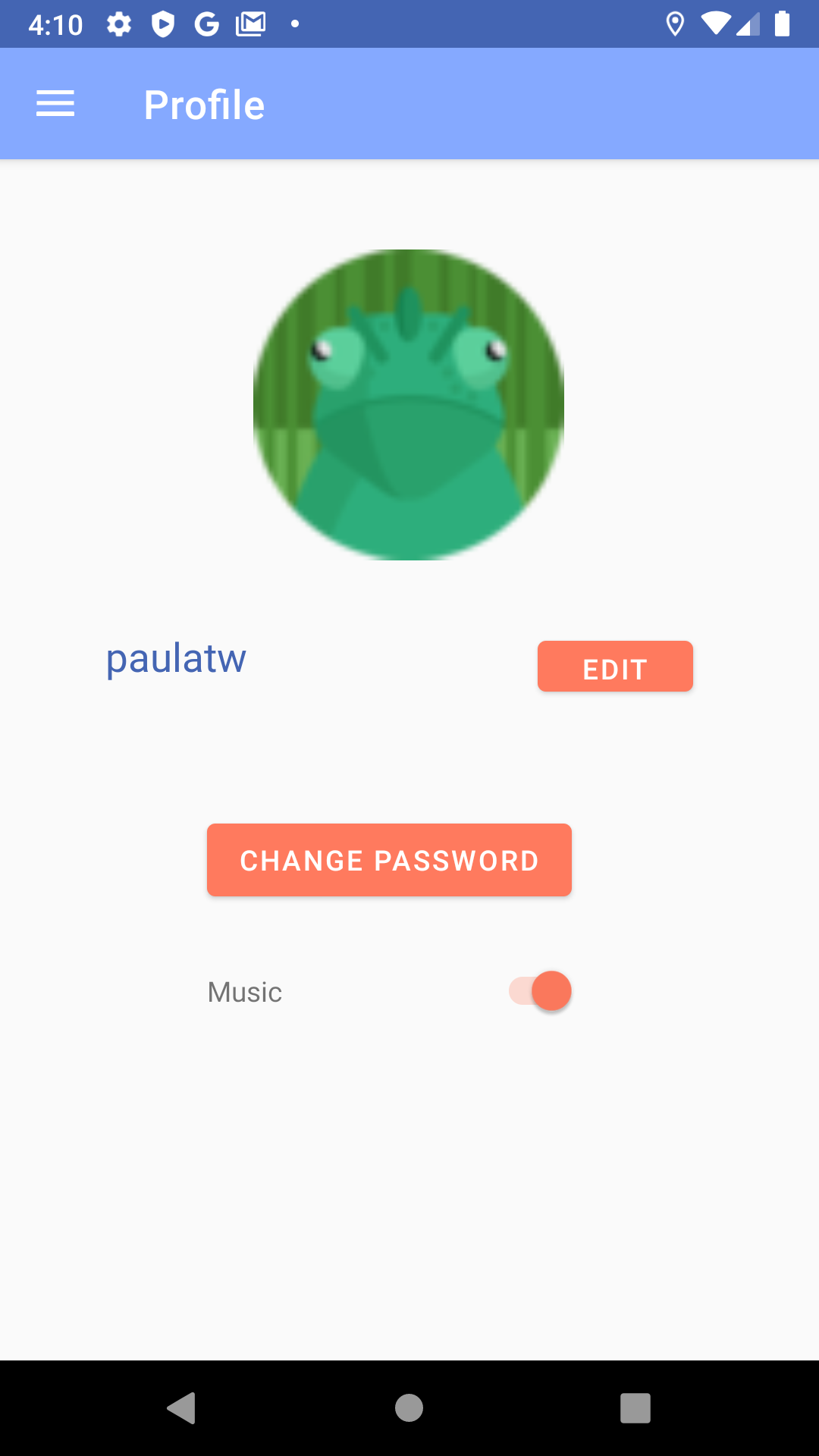
- Implement User-Data, such as email, nickname, points, level, avatar, etc.
- Split the Wildlife into 5 levels and point values from 2-250.
Sprint 3
- The User should only be able to view Wildlife pins within their catch radius
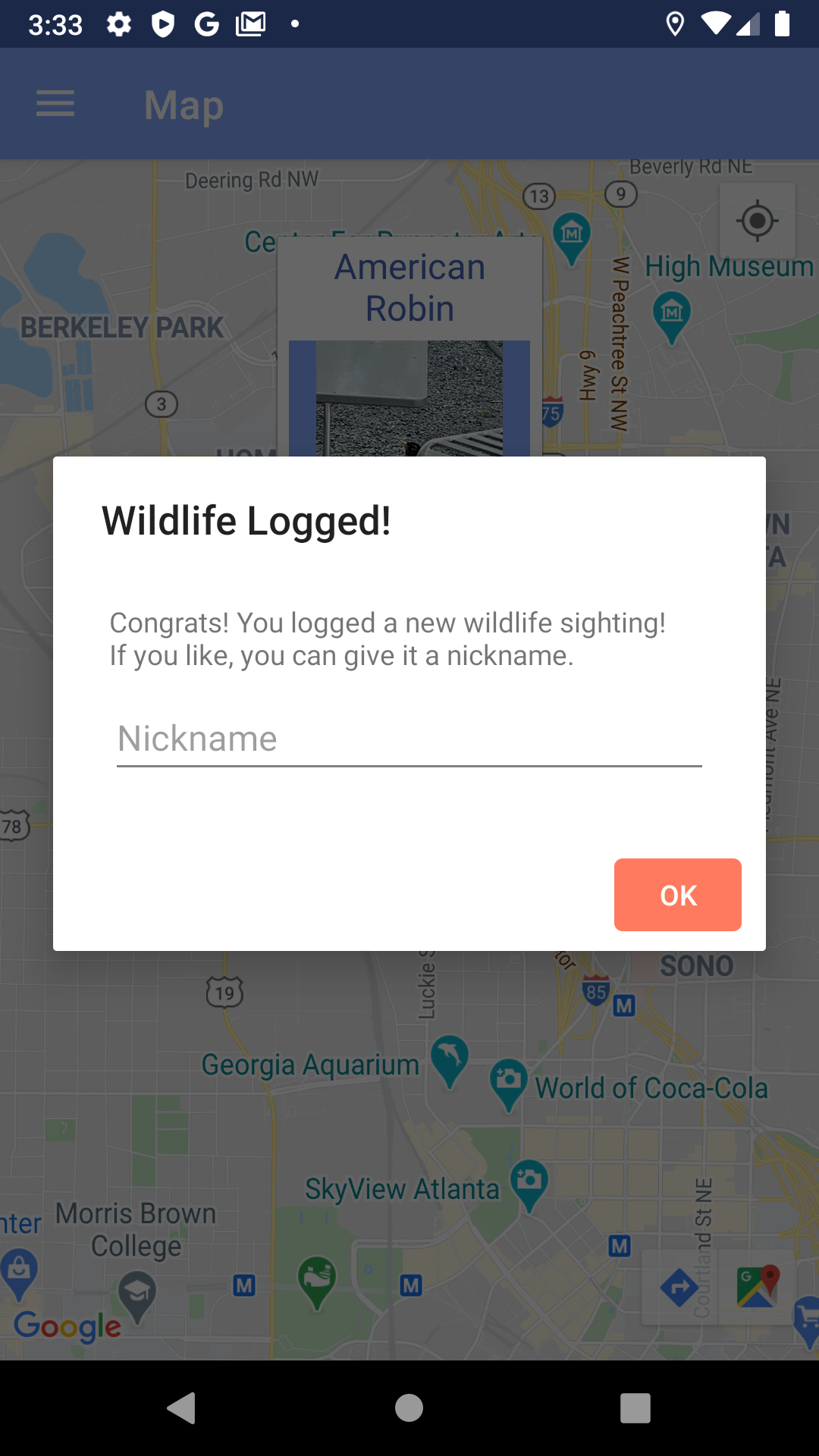
- Implement a sorted observation log with all the Wildlife the user has already logged.
- View more in depth Wildlife details from the observation log.
Sprint 4
- Change Sound settings in the app
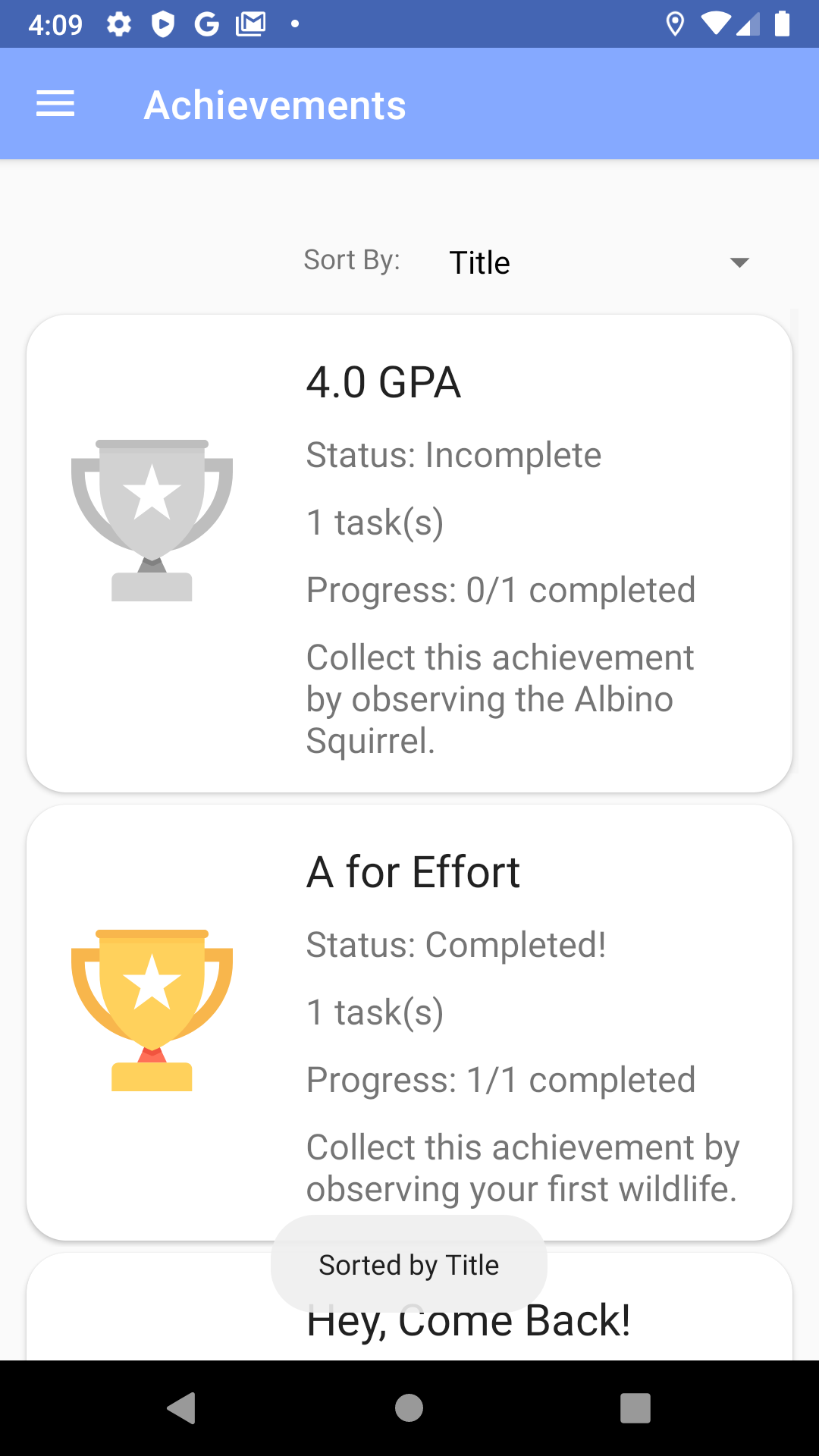
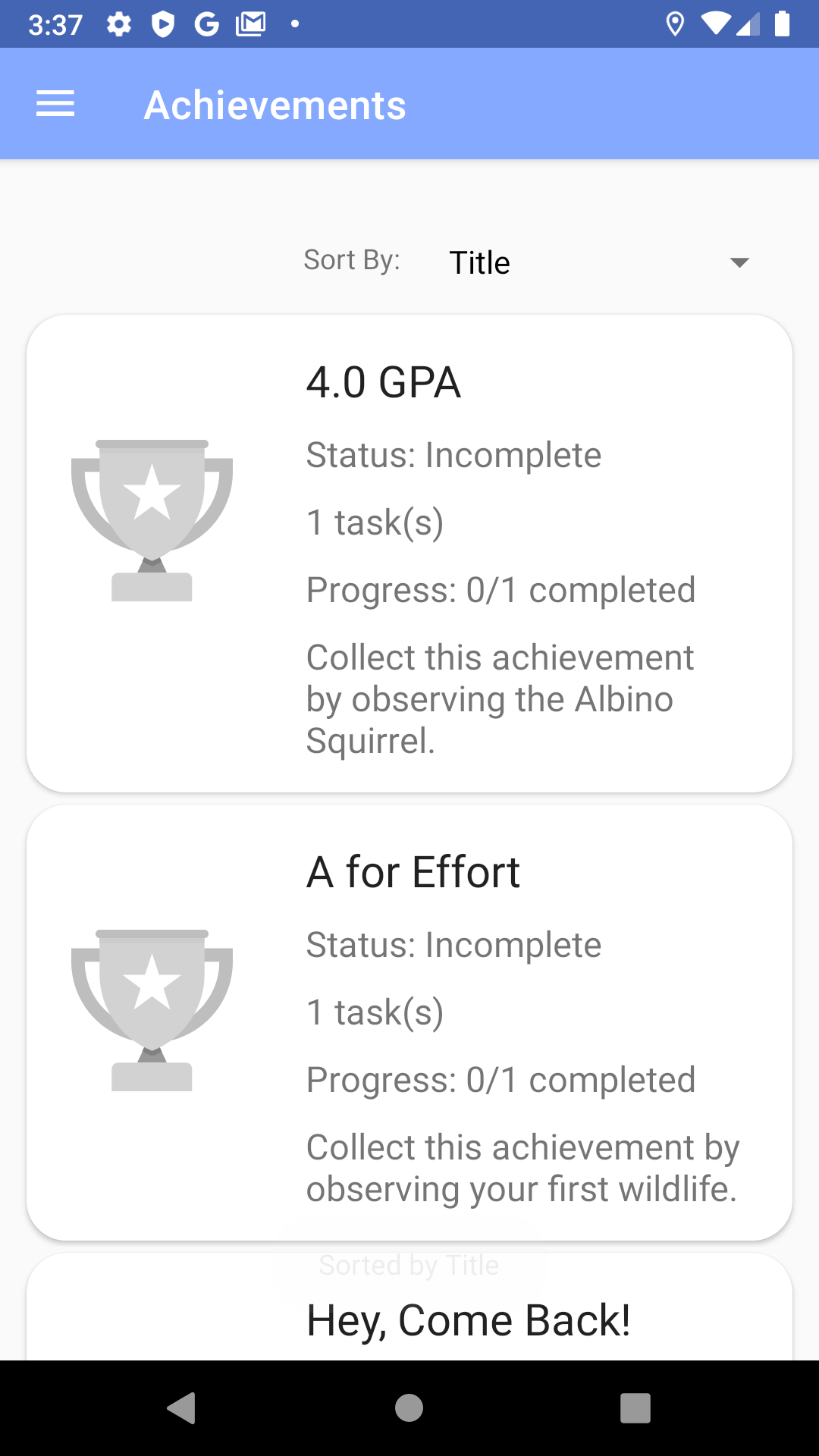
- Implement achievements the user can attain
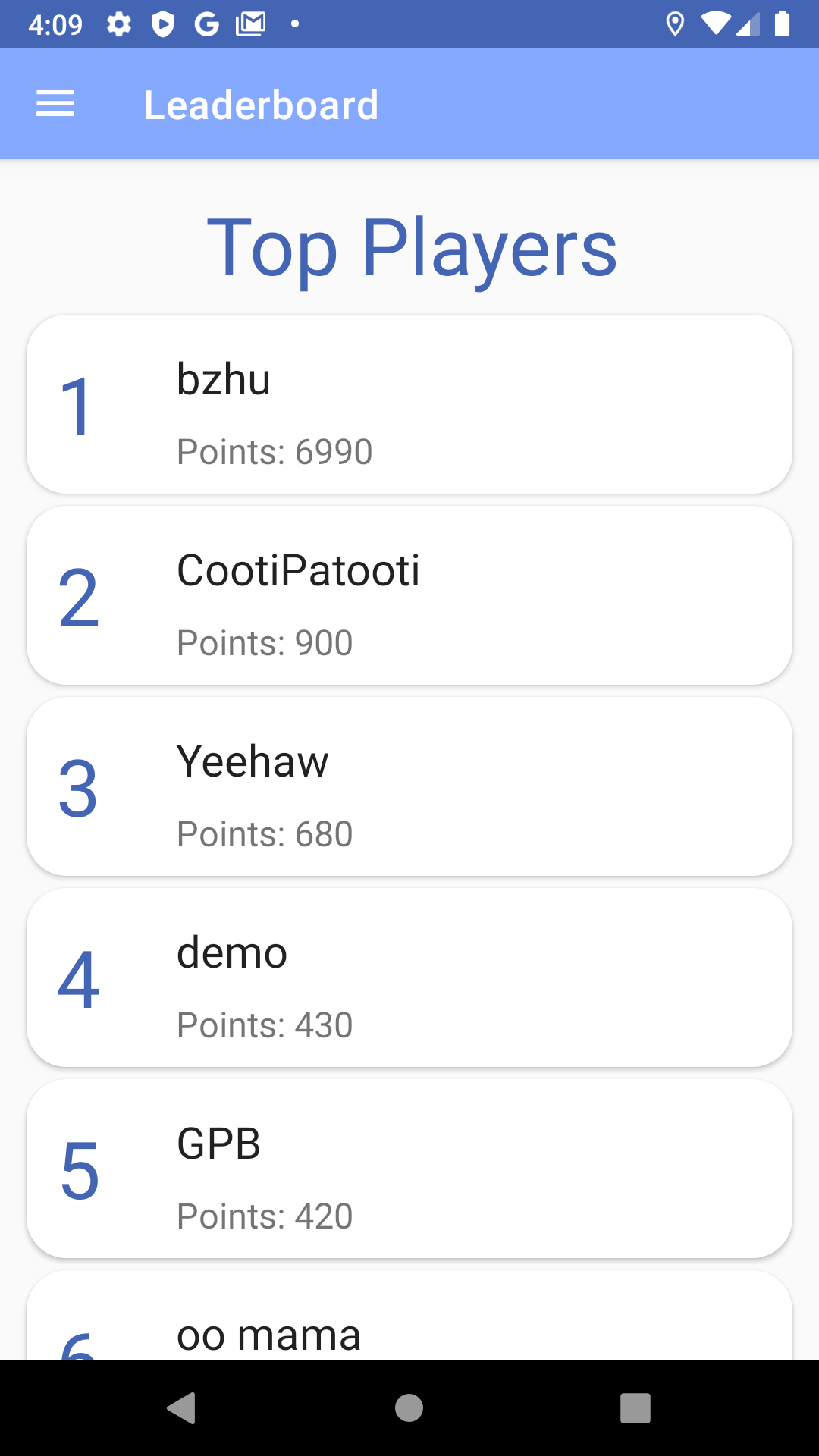
- View a points leaderboard among all Users
Sprint 5
- Allow the admin to view user trends and wildlife data
FINAL SCREENS



 PaulaTW