THE PROBLEM
Many small businesses in and around the Atlanta area have decided to raise their own livestock in recent years. Traditional techniques for protecting livestock, while effective, are unsuitable or unrealistic for urban livestock keepers. Our research team was tasked with auditing the our demographic’s current experience with livestock protection methods and products, and designing a product that would improve their system.
THE SOLUTION
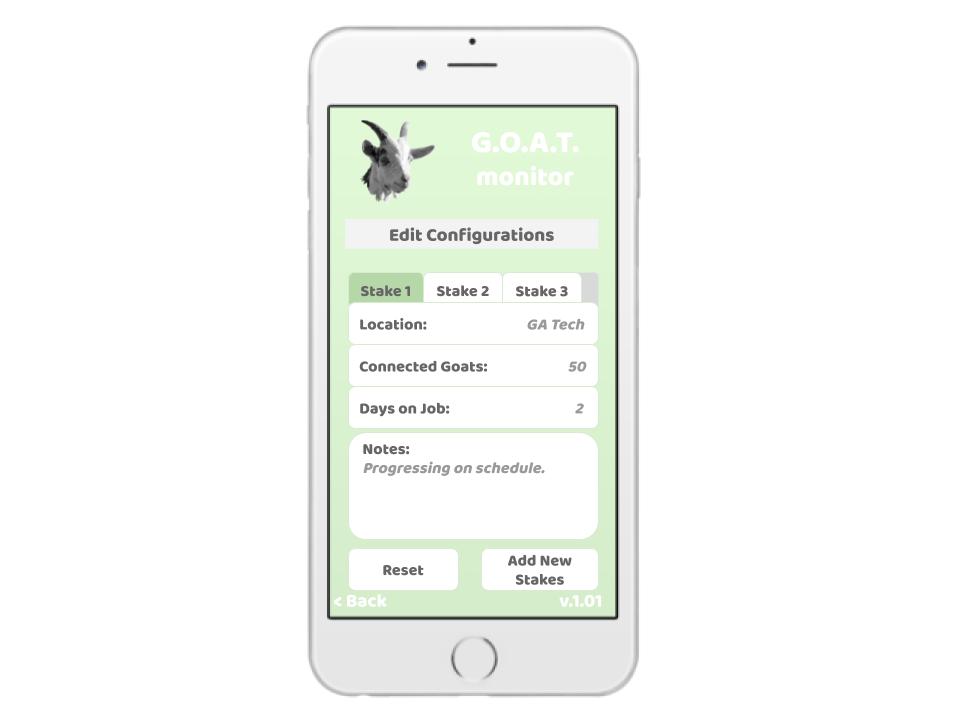
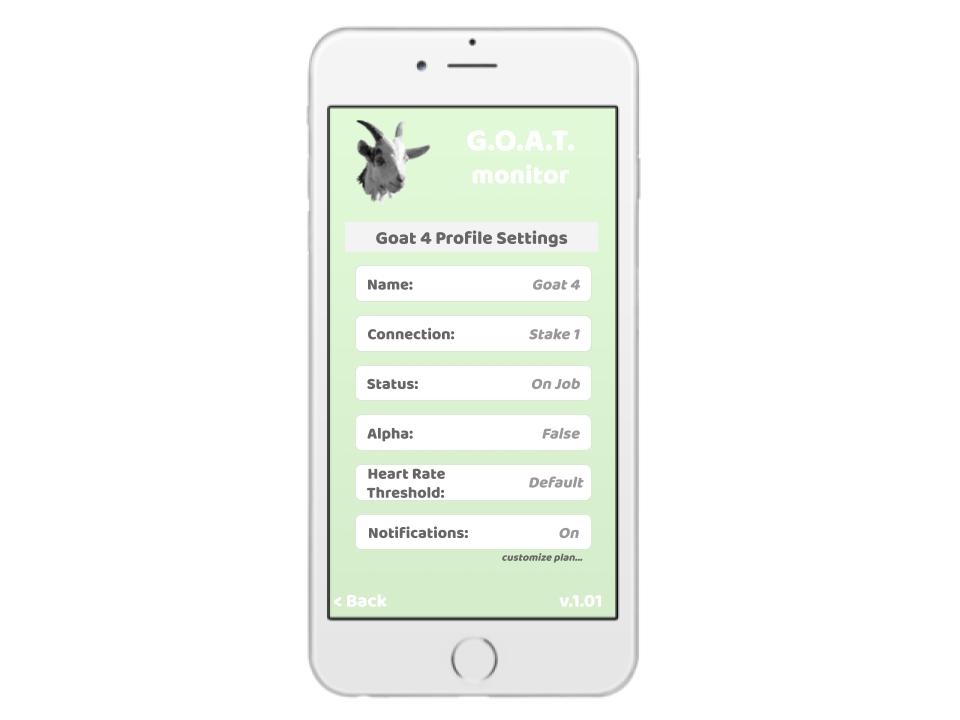
Our product, the GOAT Monitor, is comprised of a heart rate monitoring collar, Bluetooth stake, and phone application. It allows livestock keepers to monitor the health and activity of their animals as well as keep track of their location all from the convenience of their phone.
MY ROLE
In addition to taking part in research and ideation, I also completed all of the UI design.
TOOLS
Qualtrics (User Research), Google Drawings (UI Designs), Maya (Prototype Models)
TEAM
Kierra Brigman, Braden Chapman, Yiheng Qi, Alan Tolar
DISCOVERY
To design a product that would improve the current livestock protection systems and experience, it was essential to research what was already on the market and how users employed and enjoyed it.
MARKET RESEARCH
The most common techniques and products used to protect livestock are livestock protection dogs (LPDs), electrified fences, barbed wire, and other repellants. While these traditional techniques for protecting livestock are effective, they are unsuitable or unrealistic for urban livestock keepers. There are numerous drawbacks of using dogs as guards in this setting, such as the high cost of owning and managing a dog and the risk that the dog would kill livestock or harass people. Electric fences and barbed wire are also unrealistic in highly populated, urban landscapes since they can pose a threat to neighbors and young children. With little space to work with and the aforementioned options unfeasible, urban livestock keepers do not seem to have a reliable method to protect their livestock.
IDENTIFYING STAKEHOLDERS
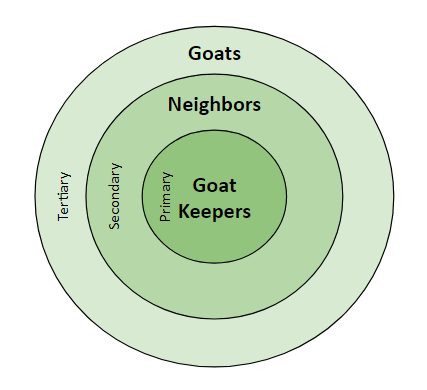
To ensure we are designing around the experiences of those who matter most in this situation, we identified the stakeholders of urban livestock.
RESEARCH
To learn more about the experiences of our demographic, we created a survey that covered topics like their personal history with livestock keeping, site management, and predators. This survey was shared with goat rental companies across the nation, as well as on Facebook groups and subreddits for hobbyist livestock owners. We recieved 40 responses through the surveys, and 15 of the participants allowed us to conduct phone interviews with them for more in-depth questions. We also performed a field observation with a small local goat rental company, which gave us greater insight into terrain factors, setup, management, and goat behavior.
TASK ENVIRONMENT FINDINGS
- Herds can vary widely in size, from as little to ten to hundreds
- Since the environments are new to the goats, most shepherds will utilize portable fencing or GPS collar systems to keep their herd on the job-site
- Goats are often left overnight and unattended on the job site for an average of 2 weeks
- Area is divided into smaller paddocks, which means setup usually happens a couple times
- Placement of fencing can be bothersome due to the physical environment of the site, which is usually overrun, steep, and rocky
- Working in a public space creates opportunities for more issues, such as human tampering, stray dogs bothering the goats, or the goats damaging private property if they get loose
- Sometimes there will be a river or a small body of water that inhibits movement through and set up of the work space
Some of the biggest strengths of the current approaches lie in the ability of fencing and other methods to keep goats in as well as keep predators out. The deficiencies, however, are finding portable, lightweight solutions that are easy to set up and are reliable without breaking the bank of the user.
AFFINITY DIAGRAM

The affinity diagram provided further insight into trends and preferences among the user group. Using the online surveying tool, Qualtrics, our team analyzed quantitative data that we have gathered from our surveys. This data provided us with pros and cons of current protective systems in user feedback and opinion on the problem space, and allowed us to target our efforts at common problems users experience in the problem space.
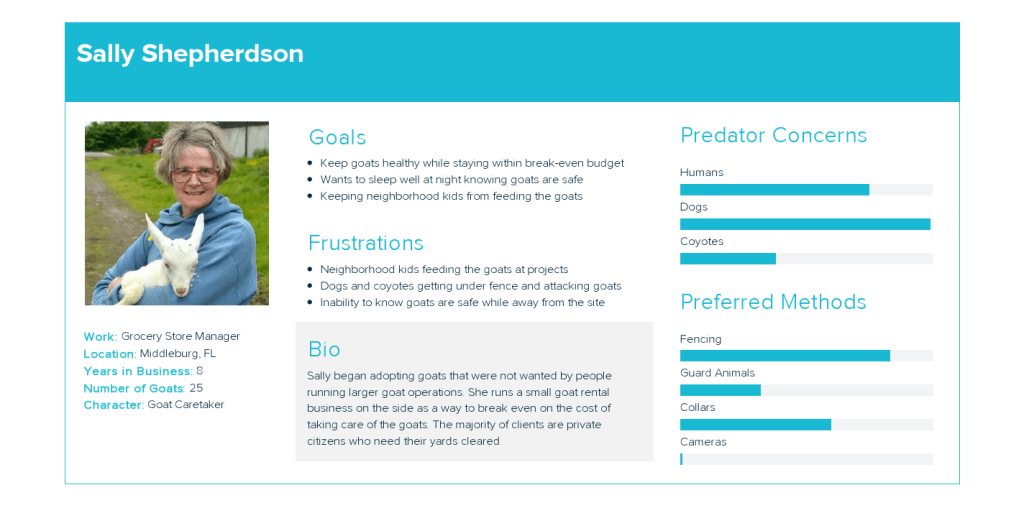
PERSONAS

DESIGN
After performing the user and experience research, we identified patterns in needs and set out to design around those requirements.
DESIGN IMPLICATIONS
- portable and flexible
- effective at keeping goats protected and accounted for
- easy to construct and destruct
- efficient and sustainable
- withstand bad weather, waterproof
- monitorability, preferably through cell phone
IDEATION
Our first phase of ideation was focused on quantity, not necessarily quality. We came up with 20 ideas, which included things like a bad smelling cologne for livestock to deter predators, proportional shock collars to train goats to stay in an area, an AI powered threat detection camera that would light up and play sounds when detecting predators, and a decoy scented electric fence. We filtered these down to our top 3 most promising ideas and created low fidelity prototypes.
LOW FIDELITY PROTOTYPES
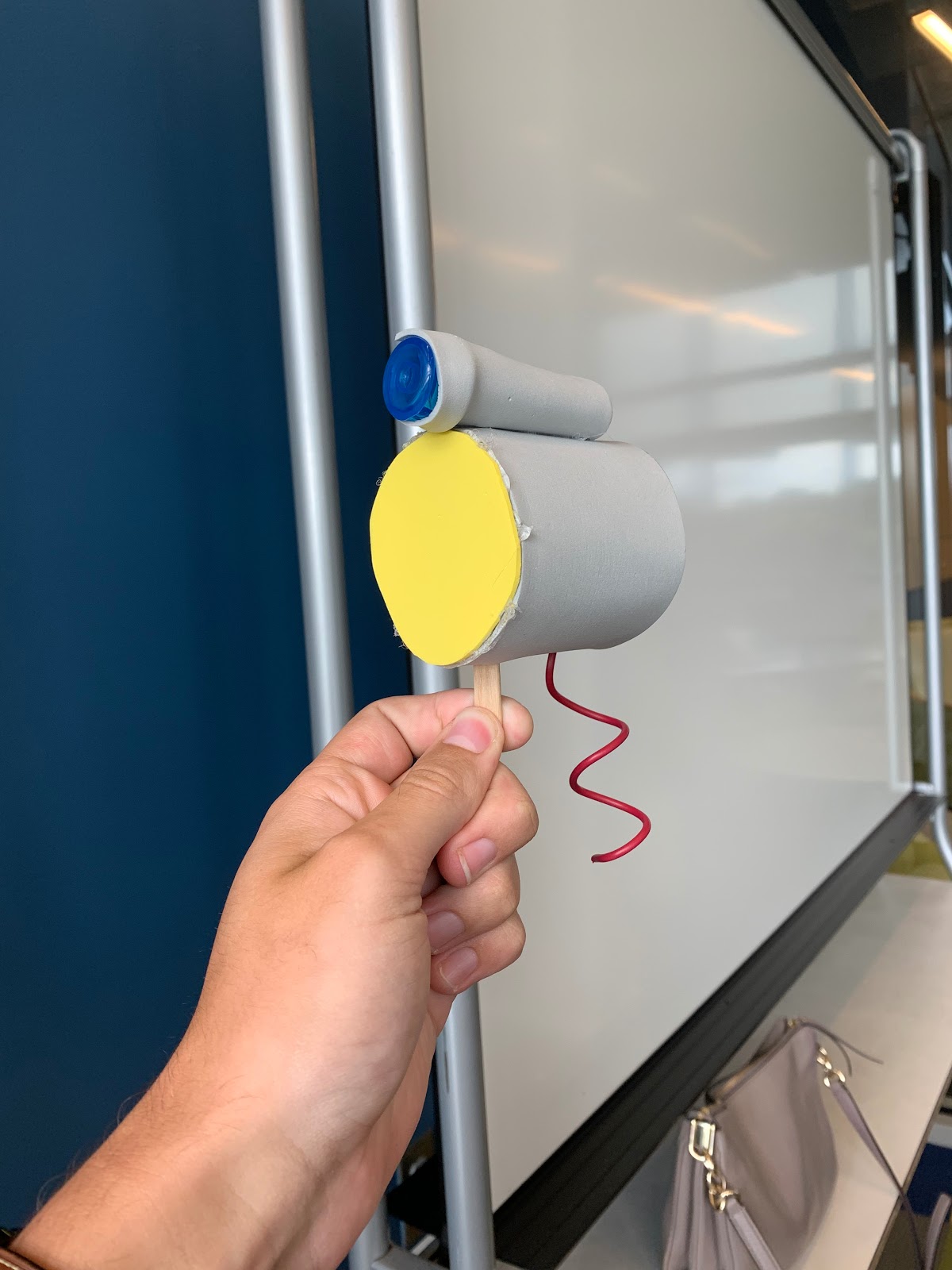
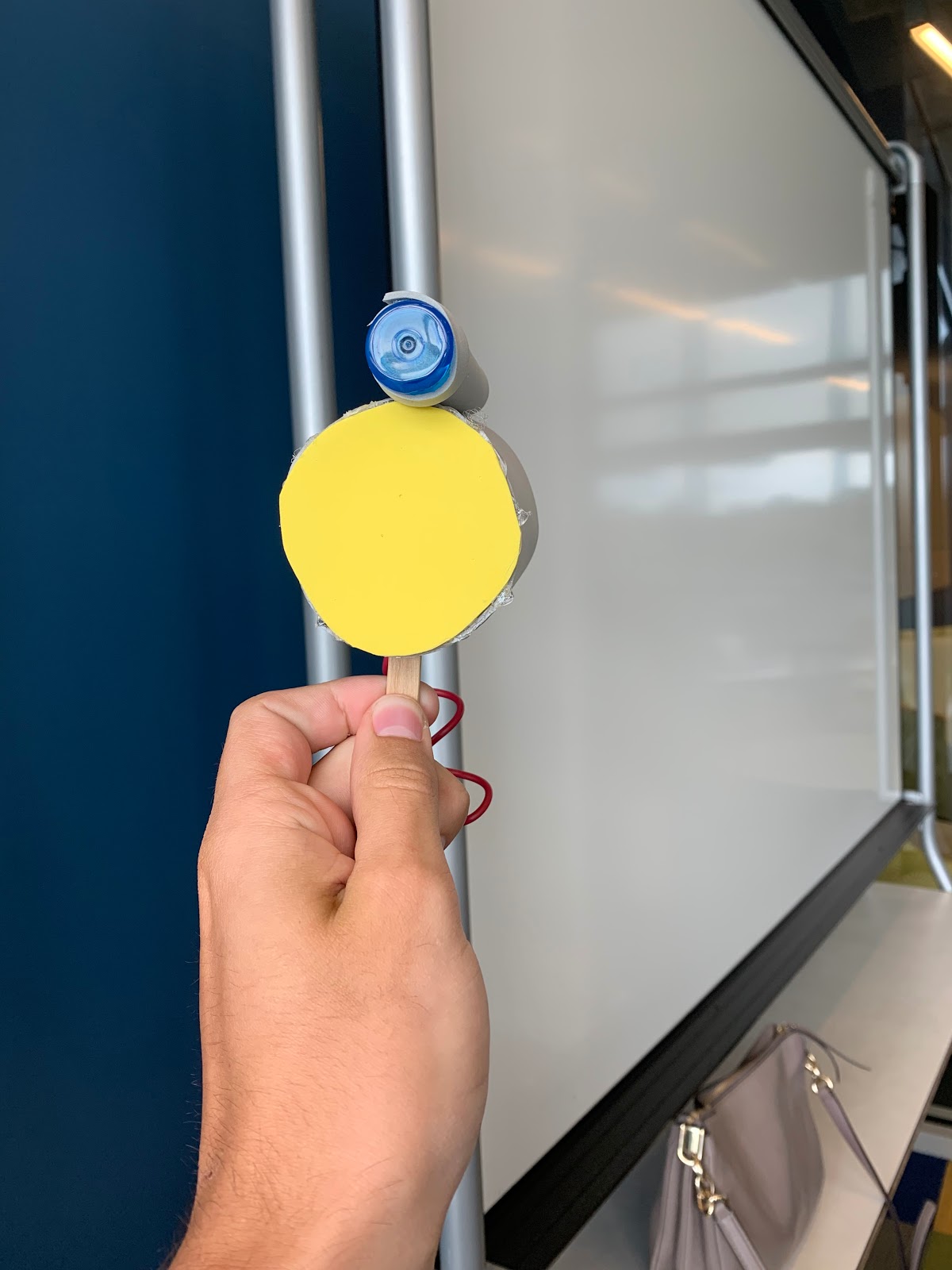
Idea 1: Automatic Tracking Light
-Rationale: The light and sounds from the tracking light would follow predators to scare them off, as well as make goats aware of the threat.
-Scenario: When a predator lingers around the fence during the night, the tracking light senses the abnormal motion and immediately shoot high beam light on the unusual subject. With loud sound and light, the predator gives up jumping over the fence and attacking the goats. Presumably, the predator goes back to the dark.

Idea 2: Smelly Clip-ons For the Fence Line
-Rationale: Clip-ons would spray smells that are undesirable to different types of predators on a timer and deter predators from approaching fence line.
-Scenario: A barrier of citrus-smell is sprayed around the fence line, using the clip-ons. Since coyotes do not favor the smell of citrus, the scent masks the smell of the goats and the coyote is driven away from the fence line, effectively protecting the herd.


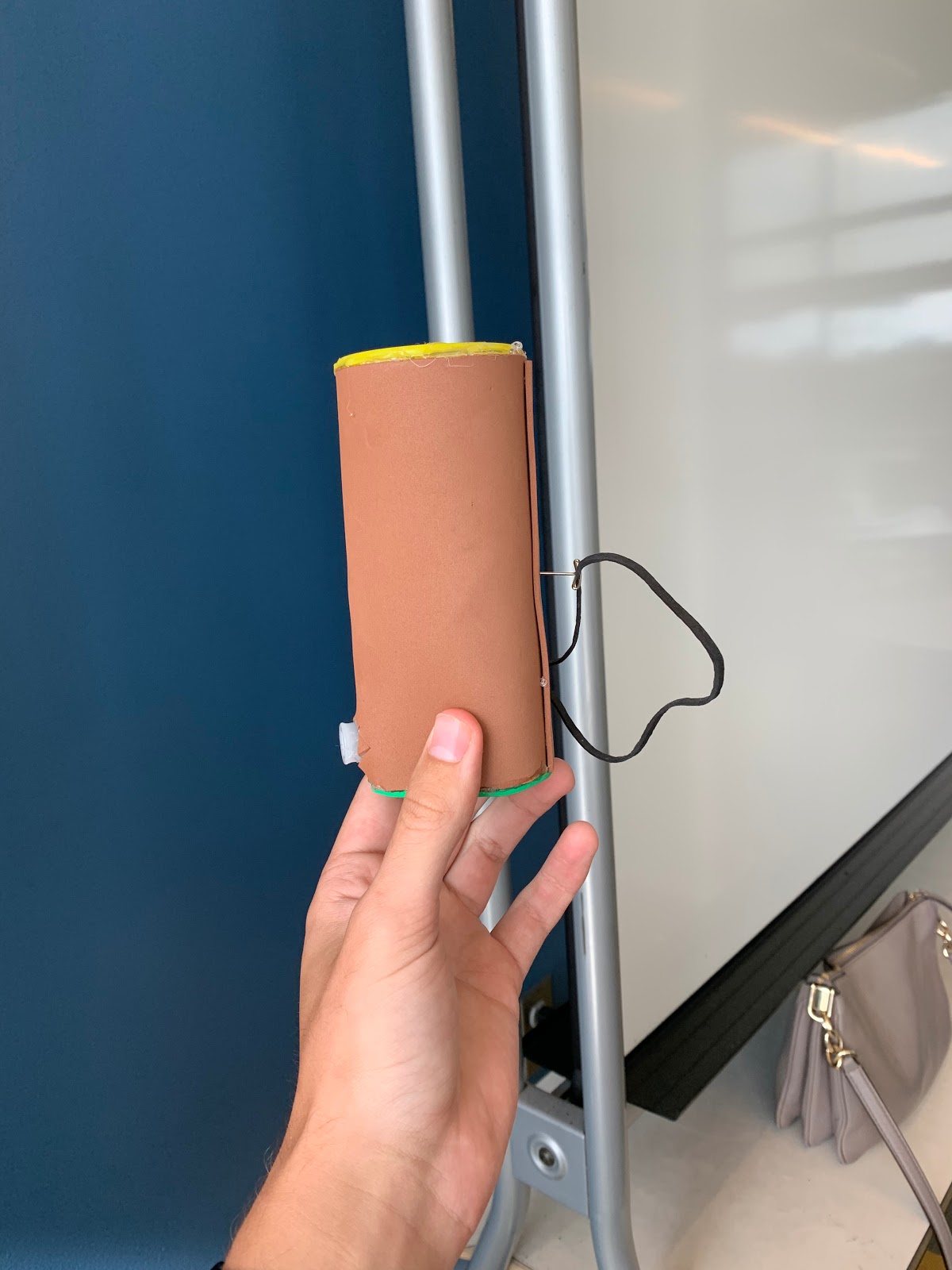
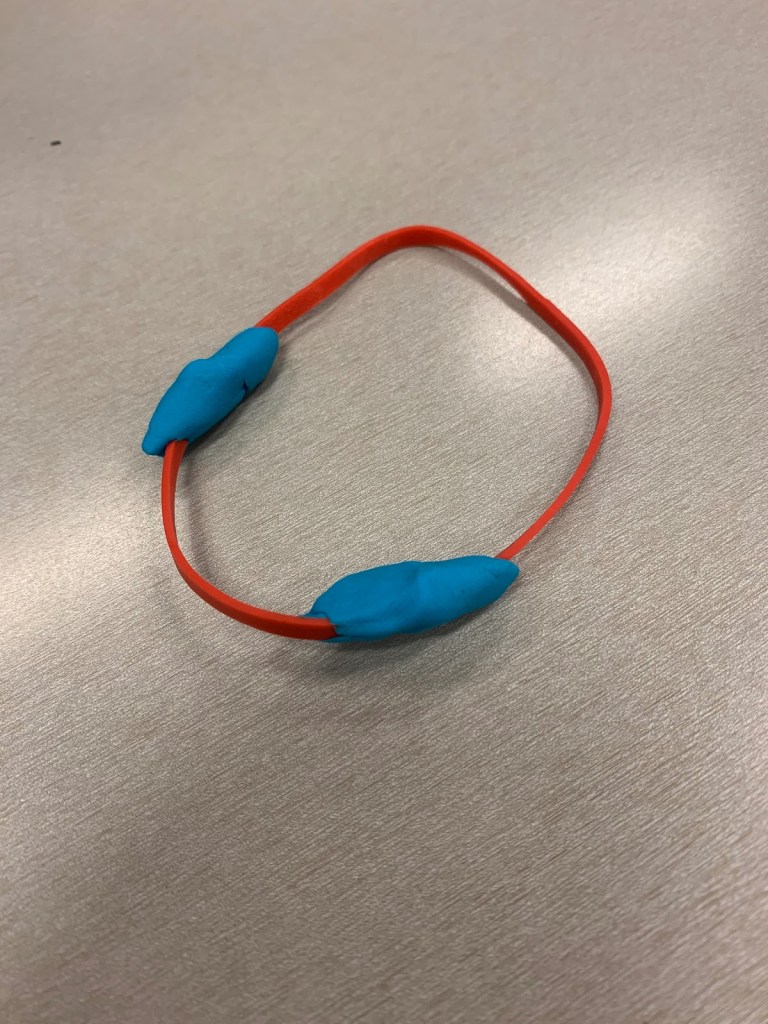
Idea 3: Heart Rate Monitor with Threat Deterrence Features
-Rationale: If the goat’s heart rate goes above a certain threshold for an extended amount of time, the monitor will send a notification to the user.
-Scenario: A wild dog gets inside the fence with the herd, and manages to corner a goat. The heart rate of the goat increases, and stays elevated for a while. A notification is sent to the user’s device to notify them of the event. The user then is able to go check on the goats.
EVALUATION
We presented this idea to some past participants and peers and got feedback on our designs.
Idea 1: Automatic Tracking Light
-Pros: Considered the best deterrent out of the three
-Cons: Could also scare goats into a heart attack, may be difficult to source power, wouldn’t stop goats from escaping
-Suggestions: make solar-powered, add camera feature, make more portable
Idea 2: Smelly Clip-ons For the Fence Line
-Pros: Simple, beneficial, and efficient idea, preventative rather than reactive, portable and battery powered
-Cons: May be difficult to upkeep, wind and rain may dissipate smell and negate effect, could require a lot of sprayers for large areas, may also deter goats via smell and taste
-Suggestions: Make smell long lasting, find smells that deter predators and not goats
Idea 3: Heart Rate Monitor with Threat Deterrence Features
-Pros: Great way to monitor safety and health, would integrate well into current systems
-Cons: Goats’ playful nature may result in false positives, reactive and not preventive, too expensive to supply for every goat, heart rate threshold may be difficult to accurately place, power may be difficult
-Suggestions: Add a GPS tracker for remote tracking, add Bluetooth to ensure they’re within a certain area, add breakaway aspect to collar, allow detection of heart rate drop as well
FINAL PROTOTYPE
After careful consideration, we found the Heart Rate Monitor to be the strongest of the three prototypes, and moved forward with designing a higher fidelity prototype.





IMPROVEMENTS
After considering the feedback from potential users who indicated a desire of GPS function, we evaluated and decided that a precise GPS location function on the collar is not necessary and would be difficult to use due to the remote nature of many of the job sites. Nevertheless, we improved our heart rate monitor system by placing a signal sender in the middle of a range that the collars connect to and allow the user to see how many connections are active with the sender. This allows the user to ensure they still have the correct number of goats in the area.
BENEFITS OF FINAL DESIGN
- Gives insight on physical conditions of goat
- Allows for proactive action, not just reactive
- Ease of portability and requires little maintenance
- Does not pose a potential threat to humans and the goats themselves
- Alerts user about presence of unusual environmental conditions/stressors
- Can be used in addition to current systems and would not require a costly overhaul
- Theoretically could be effective with just one collar on the alpha goat, minimizing cost to user
 PaulaTW